Cambric Kurti: Styles and Care
Why the crisp plain weave makes neat everyday wear, the best designs, three season styling and easy care.
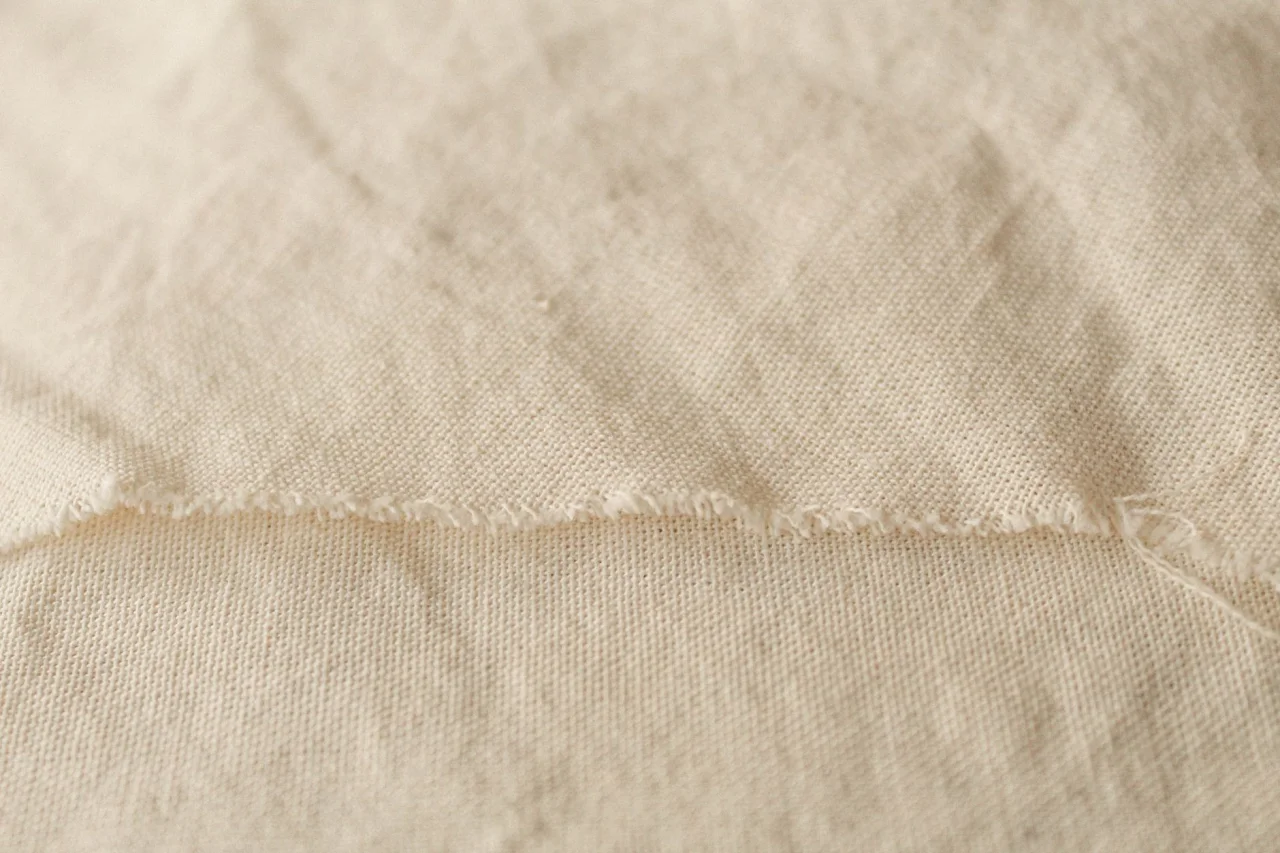
A cambric kurti is the everyday hero most wardrobes are missing: smooth, crisp and comfortable, with just enough body to look neat all day. It bridges the gap between flimsy summer lawn and heavier winter weaves, which makes it a genuine three season pick. This guide covers what cambric is, why it suits a kurti, the designs worth trying, and how to keep it looking fresh.
The short version
- Cambric is a fine, lightweight plain weave cloth, originally linen and now often cotton, with a smooth, crisp, lightly glazed finish.
- That smooth body is ideal for a kurti: it holds a clean straight or A-line shape, prints crisply and feels comfortable for daily wear.
- Care is simple: cool gentle wash, wash new deep colours separately, dry in shade, and iron slightly damp for a crisp finish.
- Prices vary by print versus embroidery, plain versus designer and stitched versus unstitched, so treat any figure as a range and confirm current pricing.
What cambric actually is
Cambric is a fine, dense, lightweight plain weave fabric that takes its name from Cambrai in present day northern France, where it was first made. It was initially woven from linen, and from the eighteenth and nineteenth centuries the term came to apply to cotton fabrics as well, which is what most cambric kurtis are made from today. Its characteristic smooth surface comes from calendering, a finishing process that presses and glazes the cloth to give it that crisp, slightly polished hand.
That combination of a tight plain weave and a smooth finish is exactly what makes cambric feel more substantial than sheer summer lawn while staying lightweight and comfortable. You can read the fabric's background on the Wikipedia entry for cambric, and we go deeper in our guide to what cambric is, its properties, uses and care.
Why cambric works for a kurti
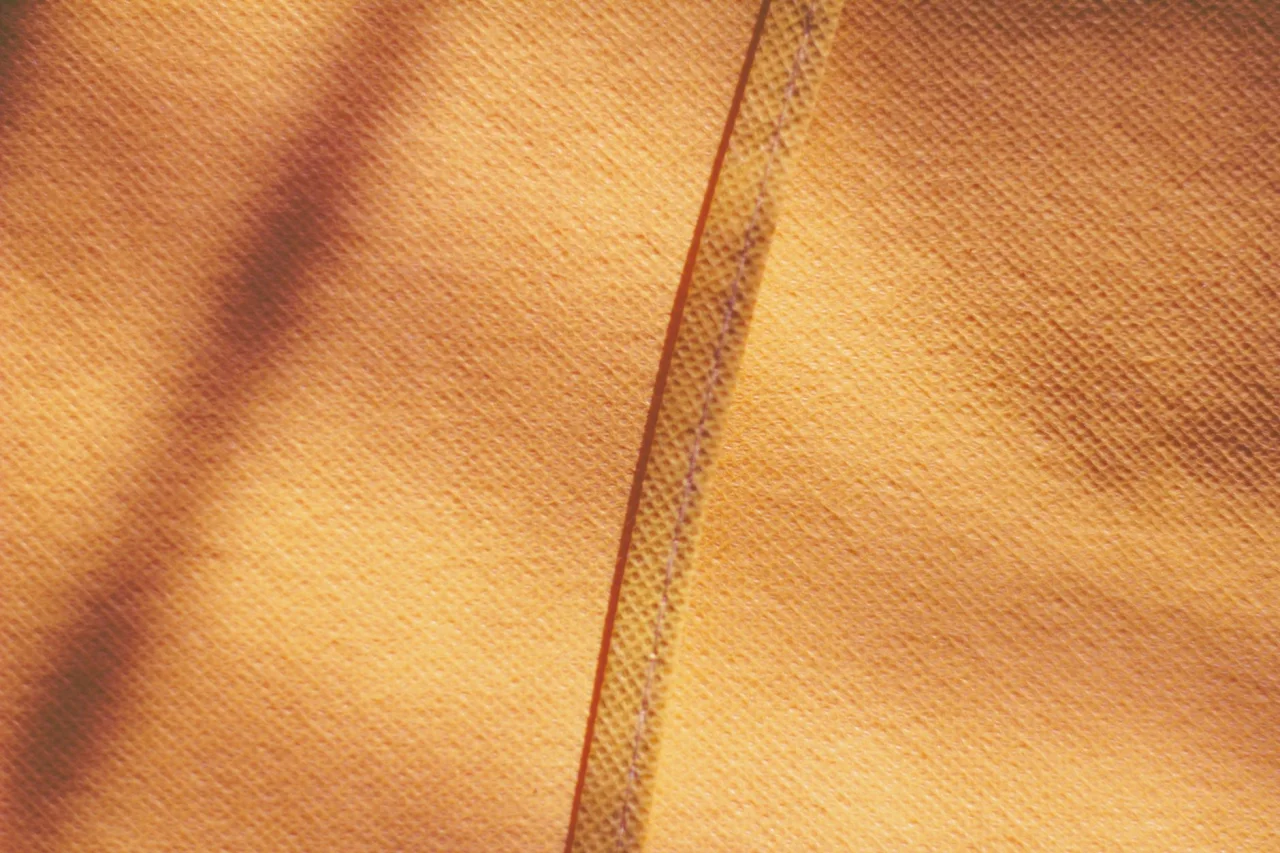
A kurti needs to look neat without heavy structure, and cambric hits that balance. Its crisp body holds a straight or A-line shape cleanly, so the kurti keeps its silhouette through a workday instead of clinging or going limp. The smooth, dense surface makes prints look sharp and colours read true, which is why so many printed daily wear kurtis are cut from cambric.
It is also comfortable and versatile across seasons: lighter than winter khaddar but with more body than the thinnest lawn, so it carries from spring through mild winter. Where cambric is less ideal is peak summer heat, where an airier lawn breathes better, and flowing occasion looks that want a liquid drape, since cambric is a structured weave. For a direct comparison, see our lawn fabric versus cambric guide.
Styling note
Cambric's clean surface is a blank canvas. A printed cambric kurti with solid trousers and flat sandals is effortless daywear, while a solid cambric kurti dresses up instantly with statement earrings, a printed stole and juttis. Because the fabric is crisp, a tucked or half tucked front reads sharp rather than bulky.
Cambric kurti designs worth trying
Cambric flatters clean, practical shapes that make the most of its crisp body:
- Straight printed kurti: a knee length straight cut in a floral or geometric print, the everyday workhorse.
- A-line with front placket: a soft flare with a buttoned or embroidered placket for a polished daily look.
- Solid kurti with embroidered yoke: a plain base lifted by thread work around the neckline and shoulders.
- Shirt style kurti: a collar and cuffs suit cambric's crispness for a smart, office ready piece.
- Tunic length kurti with pants: a shorter cut over cigarette pants or straight trousers for a modern fusion look.
For more shape inspiration, browse our kurti design ideas, and for pointers on which cuts sew best in cambric, see what sews and styles best in cambric.
Colours, prints and embroidery
Because cambric holds crisp print and true colour, it shines in printed daywear: florals, geometrics, block style prints and clean colour blocks all look sharp on its smooth surface. In solids, both bright and muted tones work well as bases for embroidery. For embellishment, thread work, machine embroidery and small mirror or sequin accents around the neckline and hem look neat against the dense weave. Keep heavy, dense embellishment light, since cambric is an everyday fabric and reads best when it stays practical and comfortable.
Fit and construction details
Cambric kurtis look best in a clean, comfortable fit that respects the fabric's crispness. A slightly relaxed straight or A-line cut lets the body of the fabric hold its shape, while a very tight fit creases at stress points and loses the neat line. Because cambric is a cotton weave, expect it to soften a little and possibly shrink slightly in the first wash, so buying a touch generous on length is wise. When buying ready to wear, check the seam finishing, the neckline and whether the print is aligned across panels, which signals a careful make. If you want help matching cut, fabric and budget, our kurti fit, fabric and price guide walks through it.
Buying tip
Hold cambric up and feel it: good cambric is smooth, dense and crisp, not thin or papery, and the weave should look even. For unstitched sets, confirm exactly what is included, since some three piece deals substitute a lighter fabric for the dupatta or trouser piece.
Care and washing without ruining it
Cambric is low maintenance, and a simple routine keeps it crisp and colourfast:
- First wash cold and separate: wash new, deeply dyed pieces alone in cold water, or use a colour catcher, because rich dyes can bleed early on.
- Use a mild detergent: avoid harsh bleach, which dulls colour and weakens cotton fibres over time.
- Do not wring hard: press water out gently to protect the weave and any embroidery.
- Dry in shade: harsh direct sun fades dyed cambric, so line dry in shade or indoors.
- Iron slightly damp: cotton cambric creases, so iron on a medium to hot cotton setting while a little damp to restore its crisp finish, turning embroidered pieces inside out.
Who should choose a cambric kurti
A cambric kurti is a smart pick if you want neat, comfortable daily wear that looks put together, if you like crisp prints and true colour, and if you want a fabric that works across spring, autumn and mild winter. It is a great base for work, campus and casual visits, and it takes light embroidery well for semi formal days. It is a less ideal choice for peak summer heat, where airier lawn breathes better, or for flowing occasion looks that need a liquid drape. Matched to everyday life, a well cut cambric kurti is one of the most reliable pieces you can own.
Frequently asked questions
Is cambric good for a kurti?
Yes. Cambric is a fine, smooth, crisp plain weave with enough body to hold a straight or A-line shape neatly, and its dense surface prints sharply. That makes it one of the most practical, good looking fabrics for everyday and semi formal kurtis.
Is cambric a summer or winter fabric?
Cambric is a versatile three season fabric. It is lighter than winter khaddar but has more body than the thinnest summer lawn, so it works well through spring, autumn and mild winter. For peak summer heat, a more open, airy lawn breathes better.
Does cambric shrink or bleed?
As a cotton weave, cambric can soften and shrink slightly in the first wash, and deeply dyed pieces may bleed colour early on. Wash new pieces cold and separately, dry in shade, and buy a little generous on length to allow for minor shrinkage.
What is the difference between cambric and lawn?
Both are lightweight cotton weaves, but cambric has a denser, smoother, crisper finish thanks to calendering, while lawn is typically lighter and more breathable. Cambric holds shape and print better, whereas lawn feels airier in heat.
How much does a cambric kurti cost?
It varies widely by print or embroidery, plain versus designer, brand and retailer, and whether it is stitched or unstitched. Rather than a fixed figure, think in ranges from affordable printed pieces up to embroidered designer kurtis, and always confirm current pricing with the seller.
More on Fabrics
Have a question or a topic to suggest?
We read every message. Tell us what you would like to see next in the journal.
Get in touch